
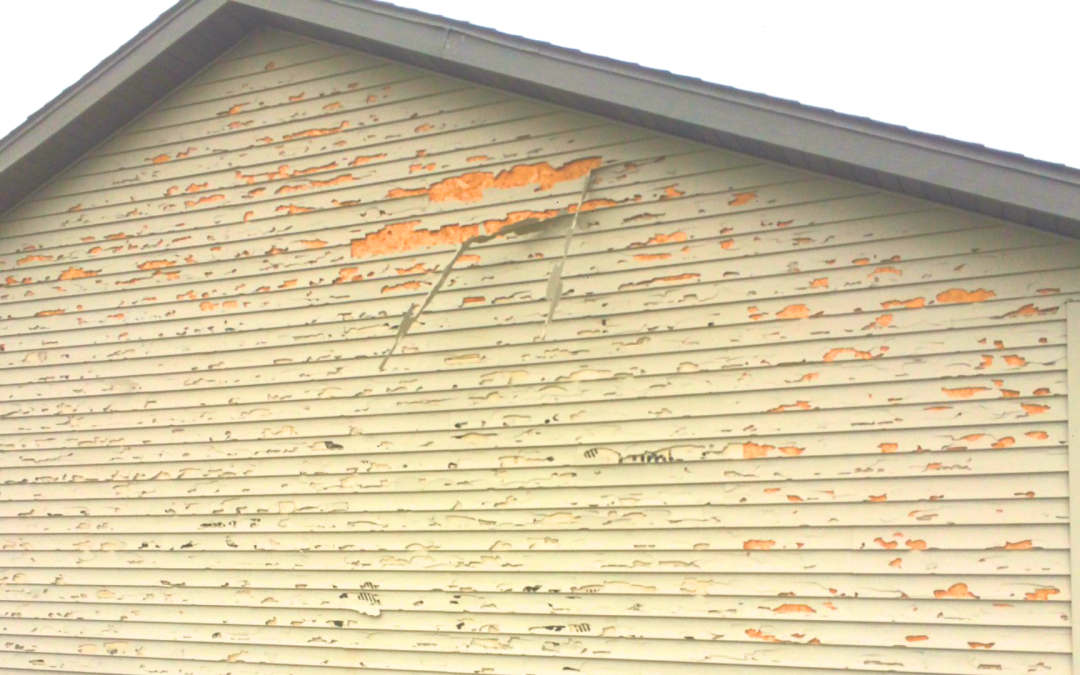
When temperatures start to rise in Madison and throughout Dane County, many homeowners walk outside and notice something they didn’t see all winter: siding damage.
Freeze and thaw cycles, snow buildup, ice dams, and high winds quietly stress your home’s exterior for months. Once warmer weather hits, the damage becomes visible.
The key is catching it early.
Why Winter Is So Hard on Siding
Wisconsin winters are especially tough on exterior materials because of constant temperature swings.
Here’s what happens:
- Moisture gets behind siding
- Water freezes and expands
- Panels shift or crack
- Fasteners loosen
- Caulking dries and separates
Even vinyl siding can warp or become brittle. Wood siding may begin to rot. Fiber cement can crack at seams.
By spring, small problems start to show.
5 Signs Your Siding Needs Attention This Spring
1. Warping or Buckling Panels
If siding looks uneven or bowed outward, moisture or temperature stress may be the cause.
2. Cracks or Holes
Even small openings allow water and insects to get behind the siding.
3. Loose or Rattling Pieces
Strong winter winds can loosen panels. What feels minor now can rip off completely in the next storm.
4. Faded or Brittle Sections
Sun exposure combined with winter stress can age siding faster than expected.
5. Water Stains Near Rooflines
This may indicate ice dam or gutter overflow damage affecting fascia and siding edges.
Why Spring Is the Best Time to Fix It
Waiting until summer can mean:
- Higher repair costs
- Moisture intrusion
- Hidden structural damage
- Limited contractor availability
Spring is ideal because:
- Weather is moderate for installation
- Damage is visible
- You can address problems before heavy storm season
The earlier you act, the less you typically spend.
Repair or Replace?
Not every issue requires full replacement.
In many cases:
- A section can be replaced
- Damaged panels can be matched
- Fascia or trim can be repaired
The key is having a professional inspection to determine whether the issue is cosmetic or structural.
Schedule a Spring Siding Inspection Before Storm Season
If you’ve noticed anything unusual after the snow melted, don’t ignore it.
A simple inspection can prevent:
- Water damage
- Mold growth
- Interior wall staining
- Expensive full replacements later
Spring demand is already increasing as homeowners begin exterior projects.
Now is the time to secure your spot and protect your home before the next round of storms hits.