
Ice dams are a common and costly winter issue for homeowners in Wisconsin and other cold-weather climates. While many homeowners believe that replacing their roof will automatically eliminate ice dams, the reality is more complex.
Even a properly installed roof system with high-quality materials does not guarantee you won’t experience ice dams. A roof replacement addresses only one part of the equation.
Understanding how ice dams form and what helps prevent them can save you from leaks, damage, and costly repairs.
What Are Ice Dams?
Ice dams occur when snow on a roof melts and refreezes near the eaves. Heat escaping from the home warms the upper roof surface, causing snow to melt. That meltwater flows down the roof until it reaches the colder overhang, where it refreezes and forms a dam.
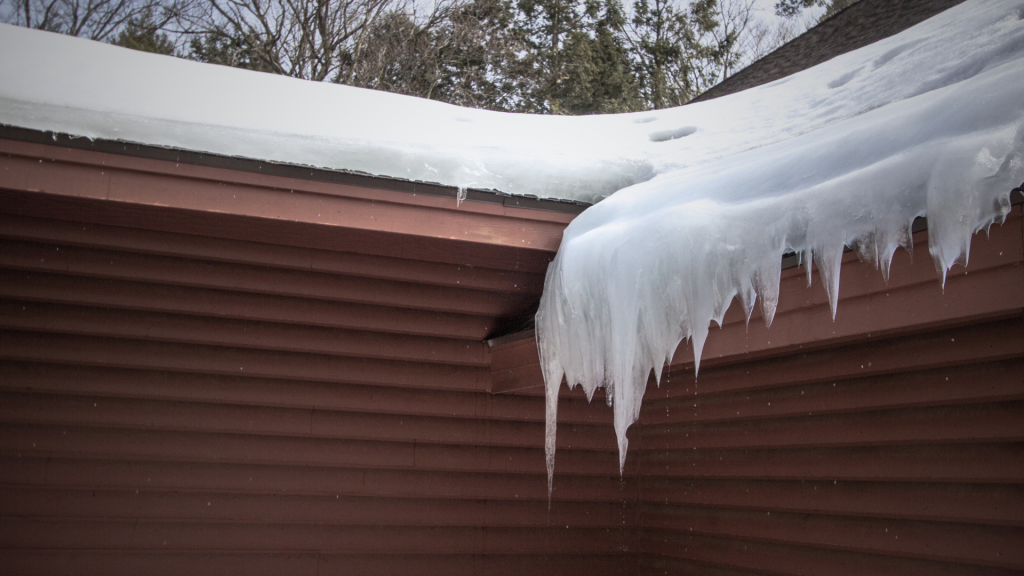
As the ice builds up, additional melting snow has nowhere to go. Water can then back up under shingles and leak into the attic, ceilings, walls, or insulation, causing interior damage even on newer roofs.
Why Roof Replacements Don’t Always Prevent Ice Dams
A new roof is designed to shed water, not manage standing or backed-up water caused by ice dams. While modern roofing systems often include ice-and-water shield and improved underlayment, these components are defensive measures, not cures.
Homeowners are often surprised to learn that:
- Ice dams are primarily caused by heat loss from the home
- Roofing materials alone cannot control attic temperatures
- A brand-new roof can still experience leaks during severe ice dam conditions
In other words, a new roof fixes the surface, not the source of the problem.
The Winning Combination: Roof + Attic Performance
The most effective way to reduce the risk of ice dams is to address the entire roof system—not just what you can see from the outside.
1. Proper Attic Insulation
Adequate insulation helps keep heat inside the living space and prevents it from escaping into the attic. A colder attic means less snow melt on the roof surface.
2. Balanced Attic Ventilation
A well-designed ventilation system allows cold air to enter at the soffits and warm air to exit at the ridge or roof vents. This helps maintain a consistent roof temperature and reduces freeze-thaw cycles.
3. Air Sealing
Air leaks around attic hatches, recessed lights, plumbing penetrations, and chimneys allow warm air to escape into the attic. Sealing these areas is critical to controlling heat loss.
When insulation, ventilation, and air sealing work together with a solid roof system, homeowners significantly reduce the likelihood of ice dam formation.
Can Ice Dams Still Happen?
Yes! And it’s important to be honest about that.
Even homes with excellent insulation, ventilation, and a new roof can experience ice dams during extreme weather conditions. Heavy snowfall, prolonged cold, and rapid freeze-thaw cycles can overwhelm even the best systems.
The goal isn’t perfection, it’s risk reduction.
What Homeowners Should Know
- A roof replacement alone does not eliminate ice dams
- Ice dams are usually caused by attic heat loss
- The best defense is a complete system approach
- Severe winters can still cause ice dams despite best practices
Bottom Line
A high-quality roof is an essential part of protecting your home, but it’s only one piece of the puzzle. A solid roof system combined with proper attic insulation and ventilation is the most effective way to help prevent ice dams. Even then, Mother Nature sometimes has the final say.
If you’re seeing signs of ice dams or want to improve your home’s winter performance, schedule a professional exterior evaluation with our team at Performance Exteriors & Contracting to plan the right next steps.