
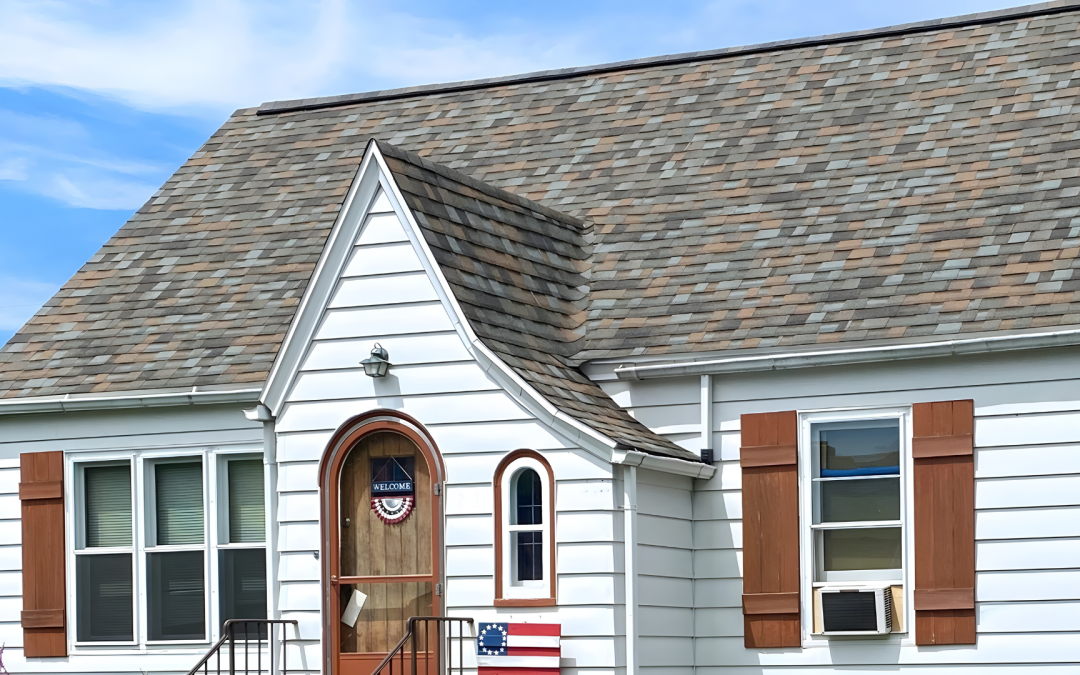
Spring storms are common across Madison and Dane County, bringing high winds, hail, and heavy rain. While some damage is obvious, much of it isn’t, leaving many homeowners wondering:
“Do I have storm damage?”
“Should I call insurance for roof damage?”
Before you file a claim with your homeowners insurance company, it’s important to know what to look for and why calling a local Wisconsin contractor first can protect you from unnecessary denials or potential premium increases.
Here’s what Madison-area homeowners should check after a spring storm:
1. Missing or Damaged Shingles
High winds during Wisconsin spring storms frequently cause missing or damaged shingles, especially on older roofs or homes with complex rooflines.
What to look for:
- Shingles completely missing, exposing black underlayment
- Torn or cracked shingle tabs
- Shingles lying in your yard, driveway, or near downspouts
- Uneven or patchy sections on your roof
Why it matters:
Even one missing shingle can allow water to enter your roof system. Left unchecked, this can lead to leaks, wood rot, and mold. Insurance companies will often cover storm-related shingle loss — but only if it’s properly documented and proven to be storm damage, not age or wear.
2. Lifted or Loose Siding
Strong wind gusts in Madison, Fitchburg, Middleton, Waunakee, and surrounding Dane County communities don’t just affect roofs, siding is often damaged as well.
Signs of storm-damaged siding:
- Warped, bowed, or loose panels
- Gaps where siding no longer locks together
- Rattling noises on windy days
- Exposed house wrap or insulation
Why it matters:
Lifted siding allows moisture and wind behind your exterior walls, which can cause hidden structural damage. Storm-caused siding damage is often insurance-eligible, but gradual loosening or poor installation is not. Knowing the difference matters.
3. Bent or Pulling Gutters
Gutters and downspouts are some of the first exterior components to show storm damage in Wisconsin’s heavy spring rains.
What to check:
- Gutters pulling away from the fascia
- Visible dents, bends, or sagging sections
- Downspouts crushed or knocked loose
- Water spilling over instead of draining properly
Why it matters:
Damaged gutters can lead to fascia rot, foundation issues, and basement water intrusion. Insurance may cover storm-related gutter damage, but only if it’s identified early and documented correctly.
4. Hail Damage vs. Normal Wear and Tear
This is one of the biggest reasons insurance claims get denied.
Hail damage usually looks like:
- Random, circular impact marks
- Granule loss in specific hit areas
- Dents on metal vents, flashing, or gutters
- Soft spots or “bruising” beneath shingles
Normal wear and tear looks like:
- Even granule loss across the entire roof
- Curling or brittle shingles from age
- Sun fading
- Cracking without impact marks
Why this matters:
Insurance policies cover sudden storm damage, not long-term deterioration. Understanding this difference before filing a claim can prevent a denial on your claim history.
Why You Should Call a Local Madison Contractor Before Insurance
Many homeowners think calling insurance is the first step — but in reality, it’s often the last step.
A professional storm damage inspection from a licensed Madison or Dane County contractor can help you:
- Confirm whether damage is truly storm-related
- Identify what’s insurance-eligible vs. maintenance
- Provide photos, measurements, and documentation
- Avoid unnecessary claims that raise premiums
- Be prepared when the adjuster arrives
Filing a claim without confirming storm damage may result in a denial, and claim history can sometimes affect future rates.
So… Do I Have Storm Damage?
If your home in Madison or anywhere in Dane County experienced high winds, hail, or severe spring storms, and you notice any of the signs above, it’s worth getting a professional inspection.
A qualified local contractor can tell you:
- If you actually have storm damage
- Whether a claim makes sense
- How to protect your roof and insurance policy
Final Takeaway for Madison Area Homeowners
Before asking, “Should I call insurance for roof damage?”
Ask first: “Do I have storm damage?”
That one step can save you time, stress, and money, and it puts you in control of the process, not the insurance company.
If you’re unsure what you’re seeing after a spring storm, scheduling a professional inspection with a trusted local contractor like Performance Exteriors & Contracting can help you make the right decision.